The Smallest Rottweiler
The Smaller the Paw Print, the Grander the Dream
Book Description
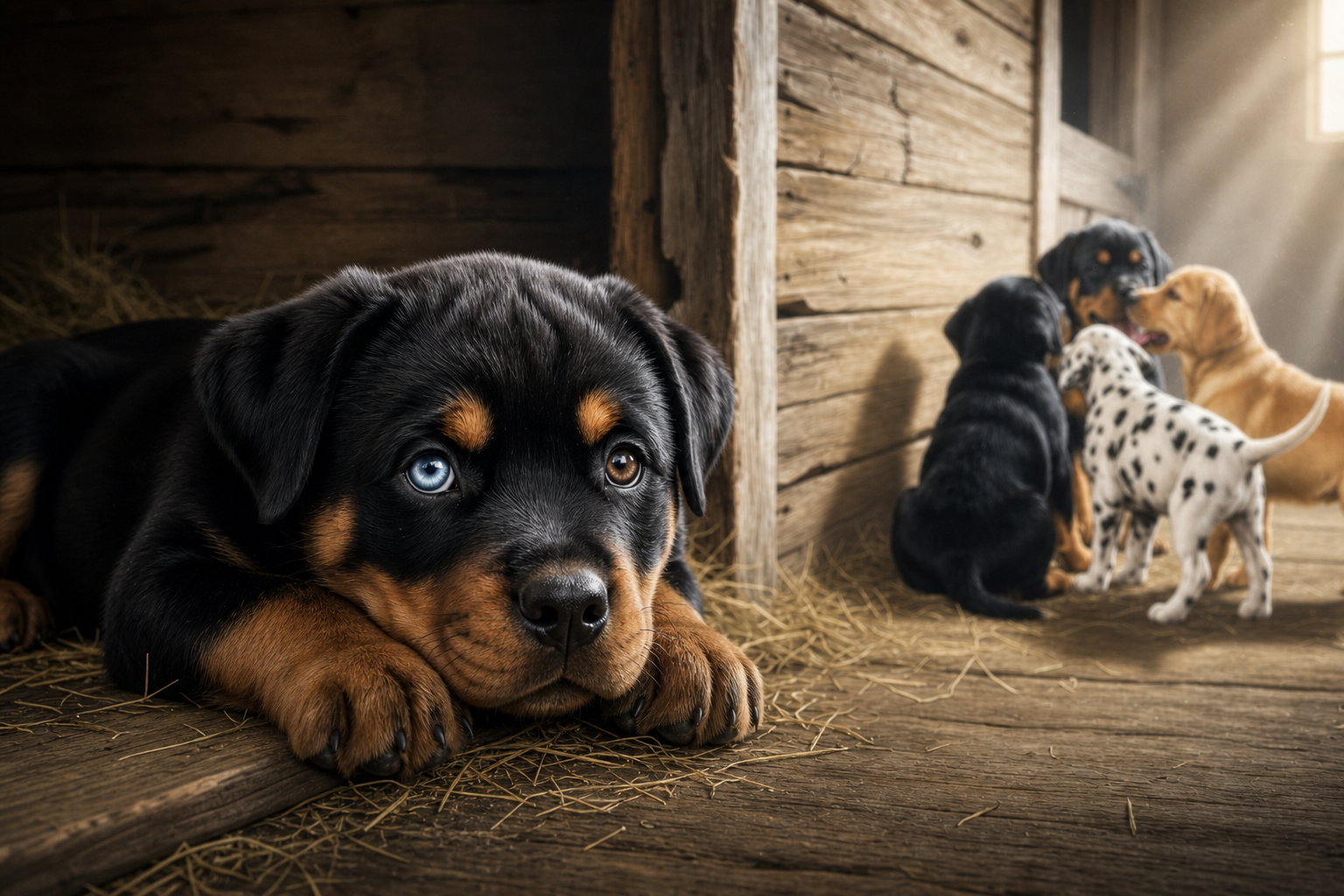
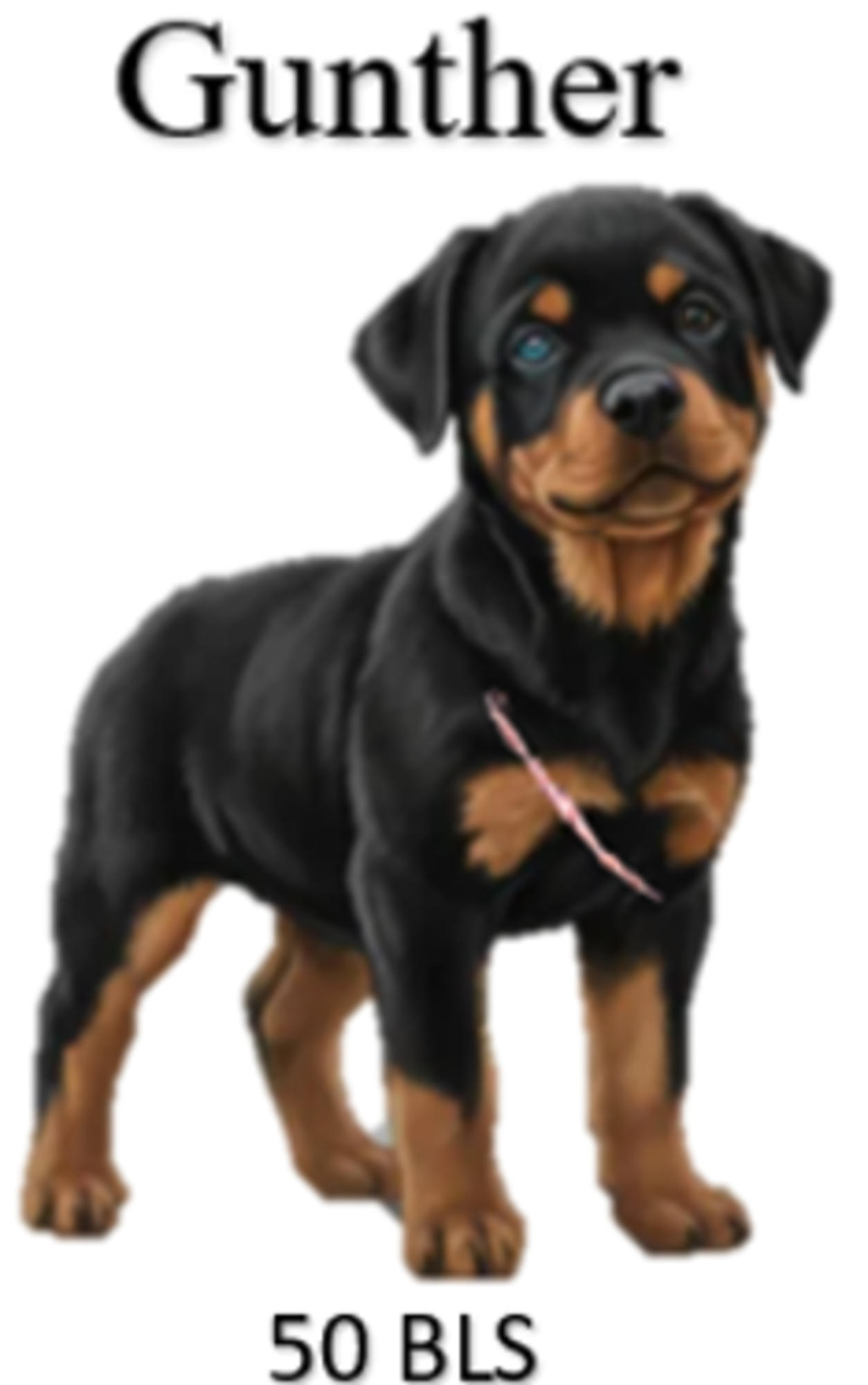
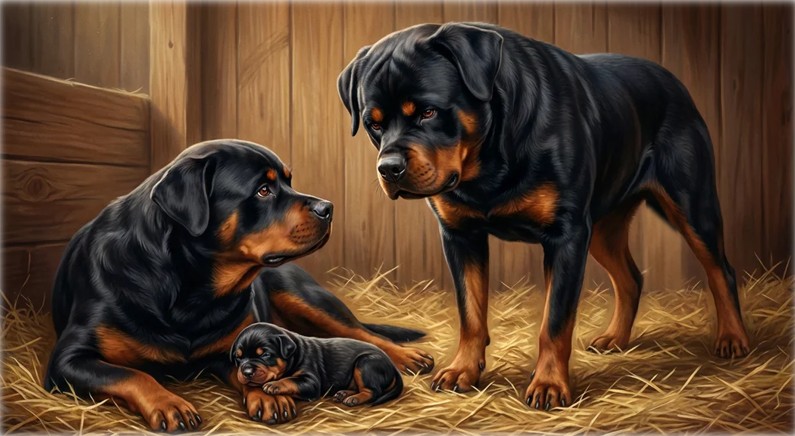
In a world where strength and bloodline determine worth, Gunther is born the smallest Rottweiler in the litter—barely more than a handful of fur and bones. With one striking blue eye and one warm brown, he is immediately marked as different. His own father turns away, burdened by old wounds, while the rest of the kennel wonders if such a runt can ever survive, let alone matter.
But Gunther carries something the others cannot see: a heart far larger than his size. Guided by a wise German Shepherd, a patient mother, and an unlikely circle of friends, the little Rottweiler sets out to prove that courage, loyalty, and love are not measured by size or family background.
From the straw of the whelping box to the shadowed trails of Divine Mountain, The Smallest Rottweiler is a timeless tale of resilience, forgiveness, and second chances (redemption), and the quiet power of believing you belong. A story that reminds us the greatest strength often comes in the smallest packages—and that even the tiniest soul can change the world around him.
Perfect for readers of all ages who cherish stories like Charlotte’s Web, Watership Down, and The Art of Racing in the Rain.

Parody Music of Popular Songs
Original Music
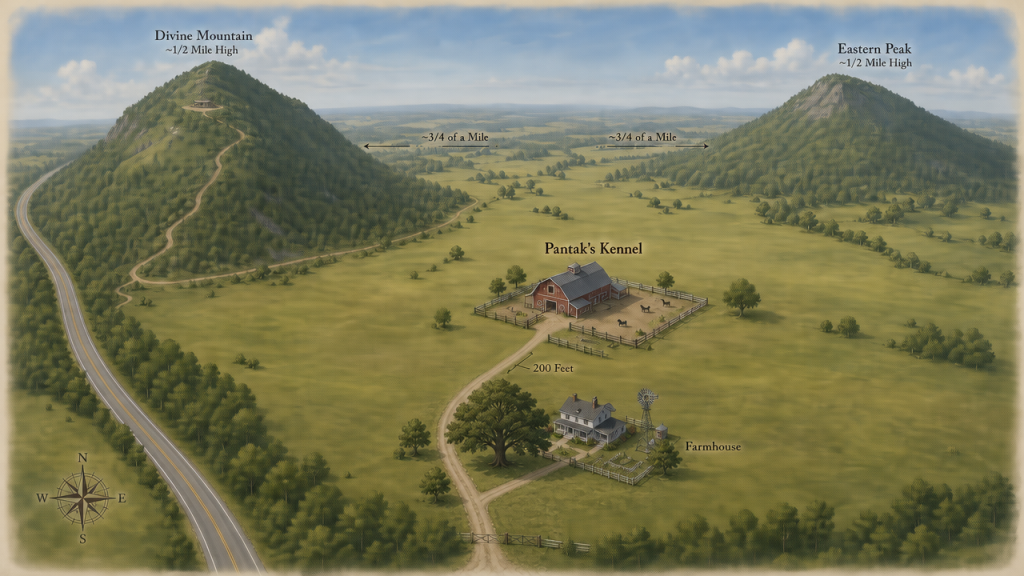
Pantak’s Kennel map
Author’s Note
Over thirty years ago, I wrote this story as a personal Christmas gift for my mother, a devoted reader and lifelong dog lover. Inspired by classics like Charlotte’s Web, I wanted to create a tale centered on animals, giving them human-like emotions and voices — animals that speak and feel like people. At the time, I was a young police officer living alone, with no pets and no connection to Rottweilers—yet the breed became the central focus of the story.
I spent roughly six months writing and hand-binding a single copy, which I gave to my mother on Christmas morning in 1992. That original hand-bound book remains with our family, now owned by my sister, Lynda.
Years later, after meeting my wife and welcoming our own Rottweiler—named Barney, by no coincidence matching the name of the story’s original miracle pup—I revisited the manuscript. I began updating names to honor cherished pets that had since joined our family. Several dog characters were renamed or added as tributes, with Max, Smalls, Letty, and Chloe becoming the most prominent.
A last-minute addition occurred only weeks before this revised edition went to print: I slipped in our current dog, Annie, a spirited Mountain Cur, as a brief cameo. I wanted to give her a small place in the story alongside the others.
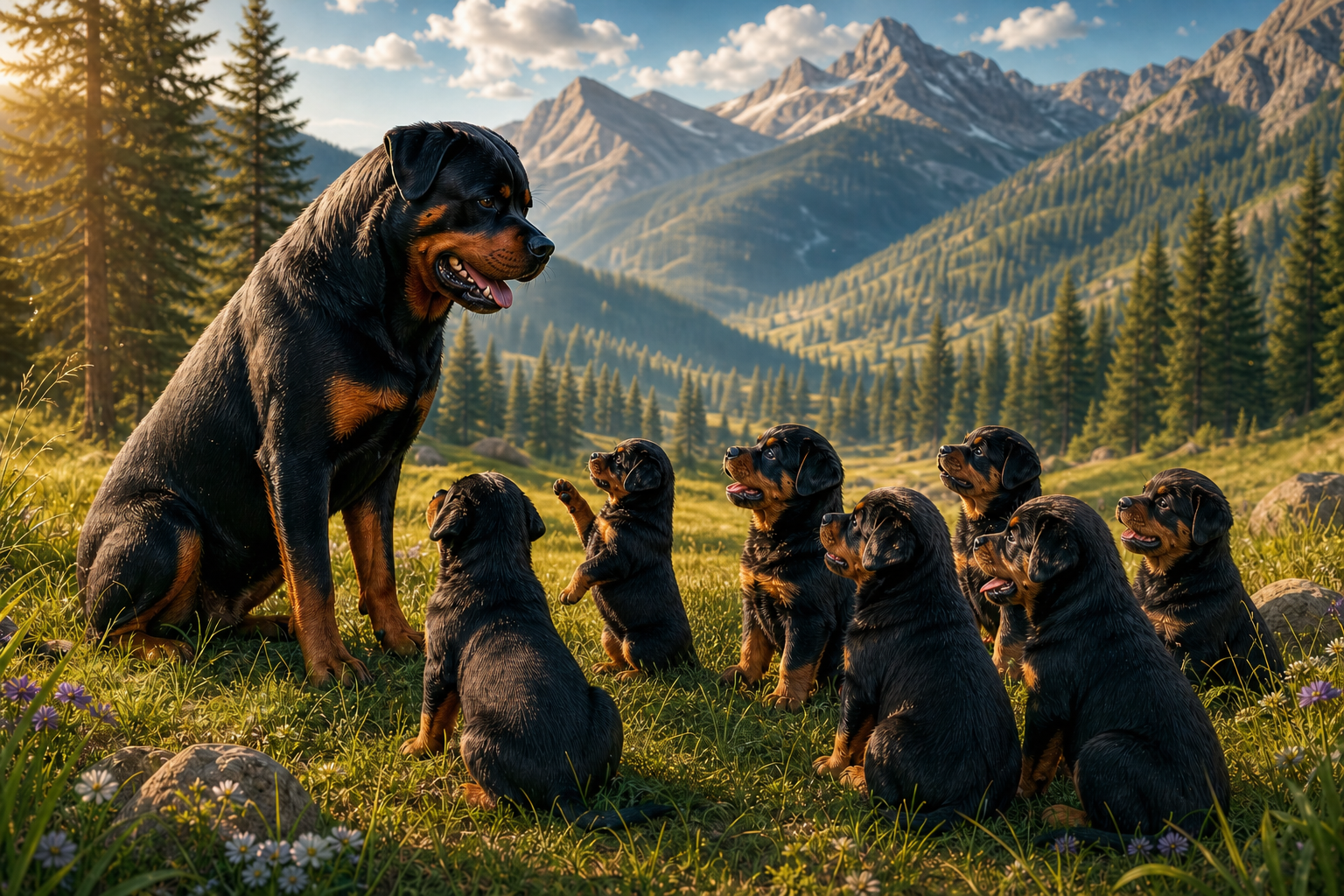
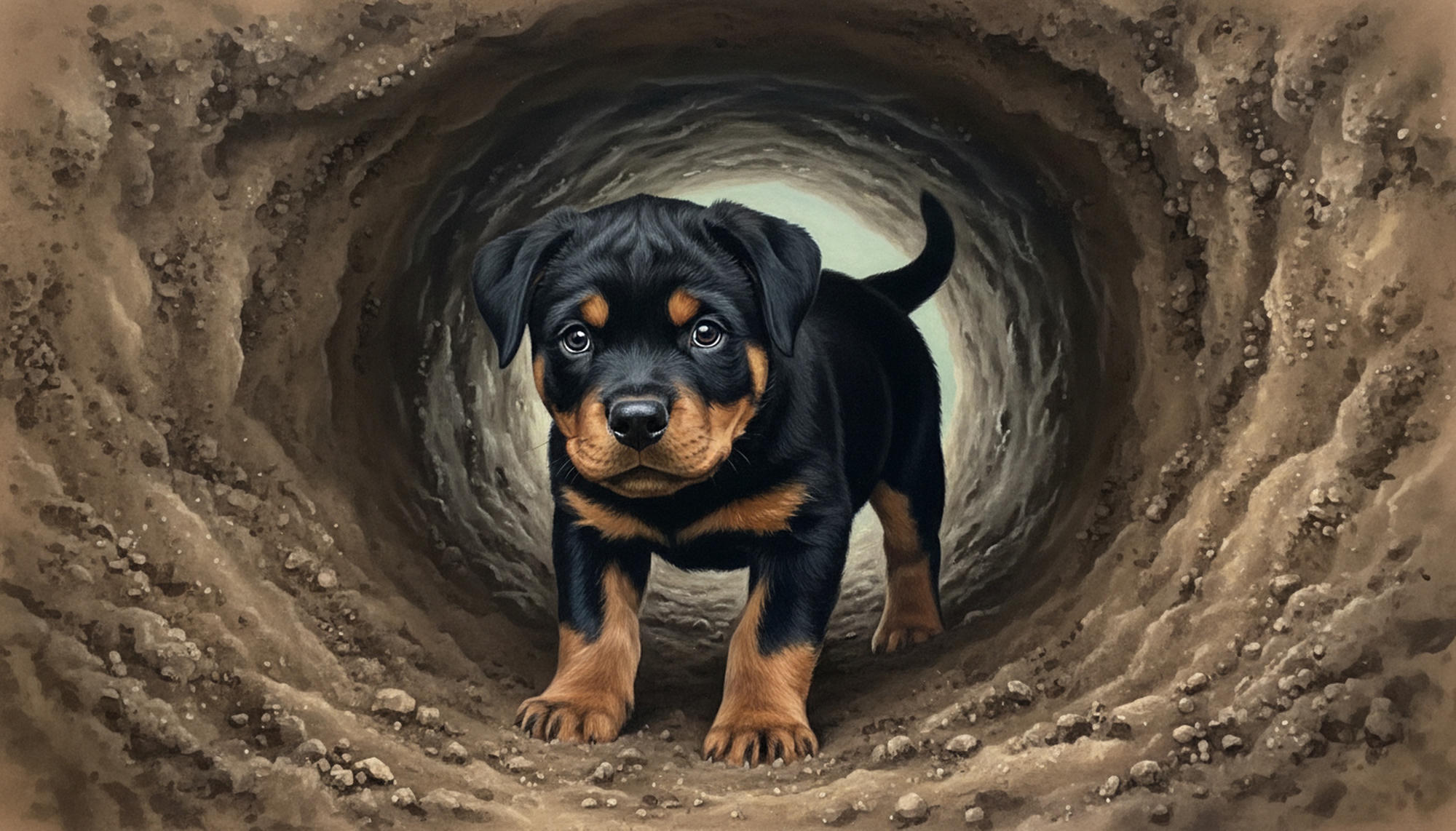
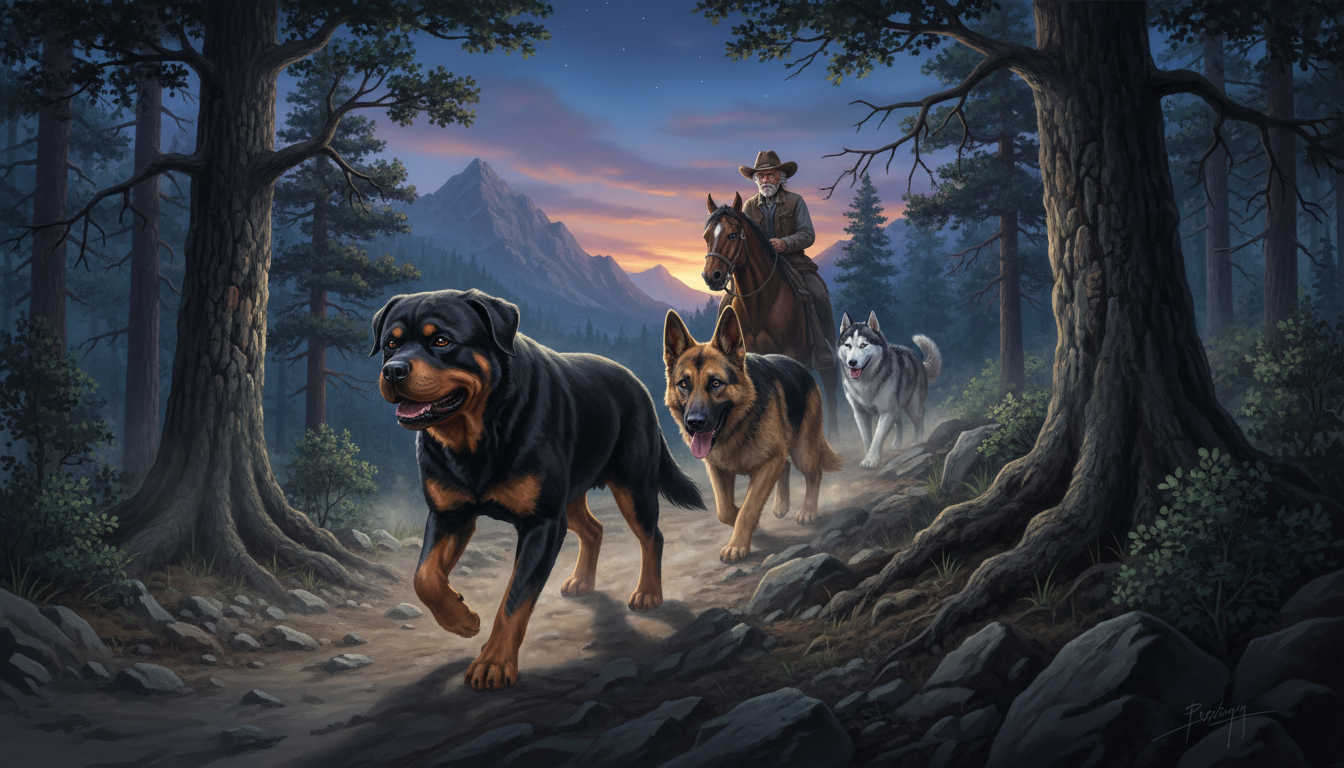
After the gift was given to my mother on Christmas morning, 1992, the manuscript then sat untouched on an old floppy disk for decades. Recently, now in my sixties, I felt drawn to revive it. I updated the prose, refined the grammar, adjusted a few character names—including changing the runt of the litter from Barney to Gunther—and created new illustrations using modern tools.
I now view the tale through the lens of years of experience, yet it still carries the wonder and imagination of my younger self. Readers may notice that Gunther, who begins life as the smallest runt of the litter, accomplishes some remarkable feats for a puppy his size. While the story occasionally stretches the limits of what seems possible, everything Gunther does remains grounded in the reality and scale of his world at that age.
To help readers follow his journey, I provide a clear perspective on Gunther’s size relative to his age at key points in the book. I took great care to ensure his growth and size remained consistent with the breed’s actual averages. For instance, once Gunther leaves the kennel, he weighs 44 pounds and stands 18 inches tall at the shoulder. Even at that size, he is still quite small for a Rottweiler.
If parts of the tale seem to defy logic, I ask only that you remember it is, above all else, a story—one told with heart and deep affection for the resilient spirit that can live within even the smallest dog. I readily acknowledge that the tale takes certain liberties: the timeline compresses the aging differences between dogs and humans, certain breed traits are exaggerated or invented for narrative purposes, and I occasionally use human terms such as “boy” for dogs in ways that are not strictly accurate. These choices were deliberate, shaped by the way the story lived in my imagination.
In writing this story, I tried to stay as close to reality as possible — a discipline that proved both humbling and surprising for an anthropomorphic novel. The research reminded me repeatedly that the animal world operates by its own rules, and that those rules are often more remarkable than anything I could have invented.
One discovery shaped the story in ways the reader may not immediately notice. It is widely assumed that dogs are colorblind — that they experience the world in shades of gray, stripped of the richness we take for granted. That assumption turns out to be incomplete. Dogs don’t see the full rainbow of colors that humans do. They mainly notice blues, yellows, and many shades of gray, but they cannot see reds (dichromatic vision).
I mention this not to burden the reader with biology, but because I believe a story that asks you to see the world through an animal’s eyes owes you at least a glimpse of what that world looks like from their perspective.
Readers who are already familiar with the history of the Rottweiler—or who take the time to read the historical overview provided at the end of this book—will notice that this story takes a deliberate liberty with reality.
In these pages, Gunther becomes the first Rottweiler to serve as a K-9 police dog, breaking what had long been considered a German Shepherd domain. In truth, Rottweilers have served honorably and effectively as K-9 officers for many years. The premise of this novel—that a small, overlooked Rottweiler could be the one to open that door—is therefore a work of fiction.
This choice was intentional. The story was never meant to be a historical account. It is, at its heart, a tale about breaking barriers, defying expectations, and proving that worth is not determined by size, pedigree, or tradition. By placing Gunther in the role of the first, the narrative gives him—and the reader—a clear mountain to climb. It allows the themes of resilience, courage, and quiet determination to shine through the character of one small dog who refuses to accept the limits others have placed on him.
I have the deepest respect for the real Rottweilers who have served (and continue to serve) as K-9 partners, as well as for the handlers who trust them with their lives. The historical note at the back of this book is included precisely so readers can learn the true story of the breed’s contributions. This novel simply asks the question: What if the first one had been the smallest?
I hope you will enjoy the story on its own terms, as a work of the heart rather than a record of fact.
At its core, this remains a simple labor of love from long ago—one I am grateful to share in this revised form.